The Complete Guide to Choosing the Right Knee Brace for Pain Relief and Performance
Knee pain can disrupt your daily life, limit your mobility, and prevent you from enjoying activities you love. Whether you’re an athlete, a fitness enthusiast, or someone dealing with chronic joint discomfort, finding the right knee brace can make a significant difference. With so many options available, understanding which type of support suits your needs is essential for both recovery and prevention.
Why Use a Knee Brace?
A knee brace for knee pain is designed to provide stability, reduce strain, and support the joint during movement. It can help manage conditions like ligament injuries, arthritis, tendonitis, or general wear and tear. By stabilizing the knee, braces reduce the risk of further injury and promote faster healing.
Many people turn to a knee brace for pain when they experience swelling, stiffness, or instability. Whether the discomfort is mild or severe, the right brace can offer immediate relief and long-term protection.
Types of Knee Braces
Not all knee braces are created equal. Each type serves a specific purpose, and choosing the correct one depends on your condition and activity level.
1. Basic Knee Support Brace
A knee support brace is ideal for mild pain or preventive use. These braces are typically made from elastic or compression materials and help improve blood circulation while offering light support. They are perfect for everyday use, especially if you spend long hours standing or walking.
2. Hinged Knee Brace
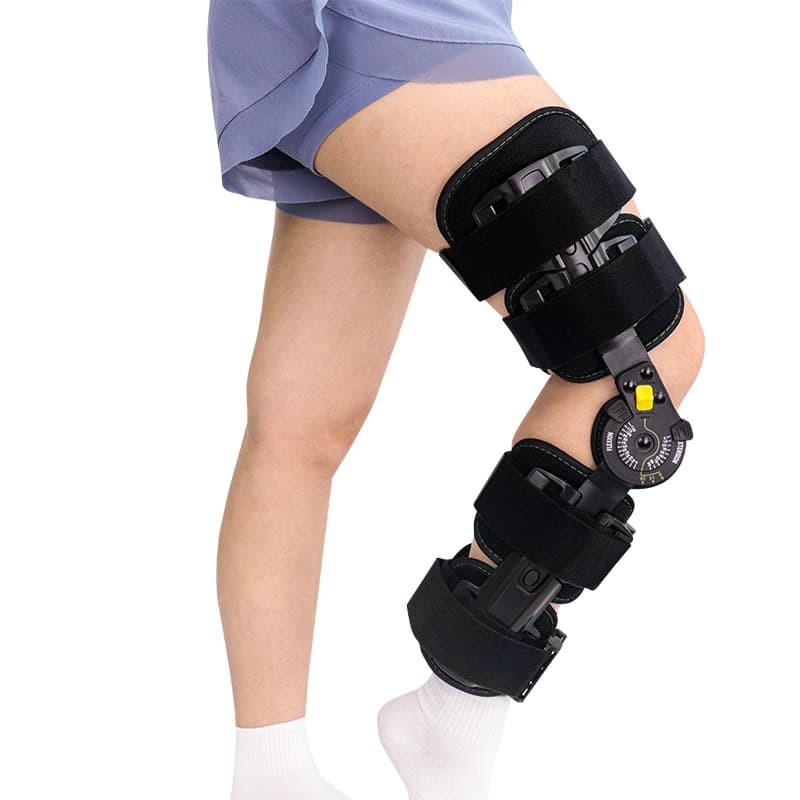
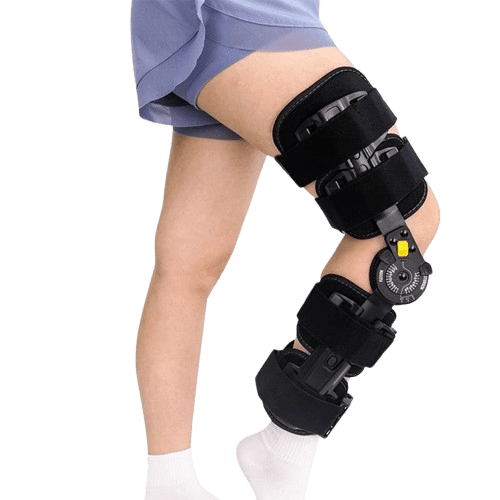
For those dealing with more serious injuries, a hinged knee brace provides enhanced stability. These braces include metal or plastic hinges on either side of the knee to control movement and prevent excessive bending. They are commonly recommended for ligament injuries, post-surgery recovery, or conditions that require controlled motion.
3. ACL Knee Brace
An ACL knee brace is specifically designed for individuals recovering from or preventing anterior cruciate ligament injuries. This type of brace offers maximum support and stability, making it ideal for athletes returning to sports or individuals with weakened knee ligaments.
4. Knee Brace for Running
If you’re an active individual, a knee brace for running can help protect your joints without restricting movement. These braces are lightweight, breathable, and designed to provide support while maintaining flexibility. They are especially useful for runners dealing with runner’s knee, mild instability, or repetitive strain injuries.
Benefits of Wearing a Knee Brace
Using a knee brace regularly can provide several benefits:
- Pain Relief: Reduces pressure on the knee joint and alleviates discomfort.
- Injury Prevention: Supports ligaments and prevents overextension.
- Improved Stability: Helps maintain proper alignment during movement.
- Faster Recovery: Aids in healing by limiting harmful motion.
- Confidence Boost: Allows you to stay active without fear of injury.
Choosing the Right Knee Brace
Selecting the right knee brace depends on several factors, including your level of pain, activity type, and medical condition.
Consider Your Activity Level
If you’re involved in sports or high-impact activities, opt for a brace that offers strong support without limiting mobility. A knee brace for running or a flexible support brace may be ideal for active lifestyles.
Understand Your Injury
For mild discomfort, a simple knee support brace may be enough. However, for ligament injuries or post-surgery recovery, a hinged knee brace or ACL knee brace is more appropriate.
Fit and Comfort
A knee brace should fit snugly but not too tight. Breathable materials and adjustable straps can enhance comfort, especially for extended wear.
Consult a Professional
If you’re unsure which brace to choose, consulting a healthcare professional can help you make the right decision based on your specific needs.
Tips for Using a Knee Brace Effectively
- Wear the brace during activities that strain your knee.
- Avoid over-reliance; combine with strengthening exercises.
- Ensure proper positioning for maximum effectiveness.
- Clean and maintain your brace regularly.
Supporting Knee Health Beyond Bracing
While a knee brace for knee pain can provide relief, it’s important to adopt a holistic approach to joint health. Regular exercise, proper nutrition, and maintaining a healthy weight all contribute to stronger knees. Strengthening the muscles around the joint can significantly reduce stress on the knee and improve overall function.
Stretching before and after physical activity also plays a key role in preventing injuries. Incorporating low-impact exercises like swimming or cycling can help keep your joints active without excessive strain.
Final Thoughts
A high-quality knee brace can be a game-changer when it comes to managing pain, preventing injuries, and maintaining an active lifestyle. Whether you need a knee support brace for everyday comfort, a hinged knee brace for added stability, or an ACL knee brace for serious recovery, choosing the right option is crucial.
Understanding your needs and selecting the appropriate brace will not only relieve discomfort but also help you regain confidence in your movement. Invest in your joint health today and take the first step toward a more active, pain-free life.
Contact Us:
Email: info@altivoxhealthstore.com