How to Choose a Defibrillator Machine in the UAE: A Buyer’s Guide
Sudden cardiac arrest doesn’t wait for an ambulance. Research on resuscitation outcomes consistently shows that the odds of survival drop by roughly 7-10% for every minute that passes without CPR and defibrillation, which is exactly why more clinics, gyms, schools, and offices across the country are stocking their own defibrillator machine UAE buyers can rely on rather than waiting on emergency services alone. If you’re evaluating options for a workplace, facility, or home, here’s what actually matters before you buy.
What an AED Actually Does
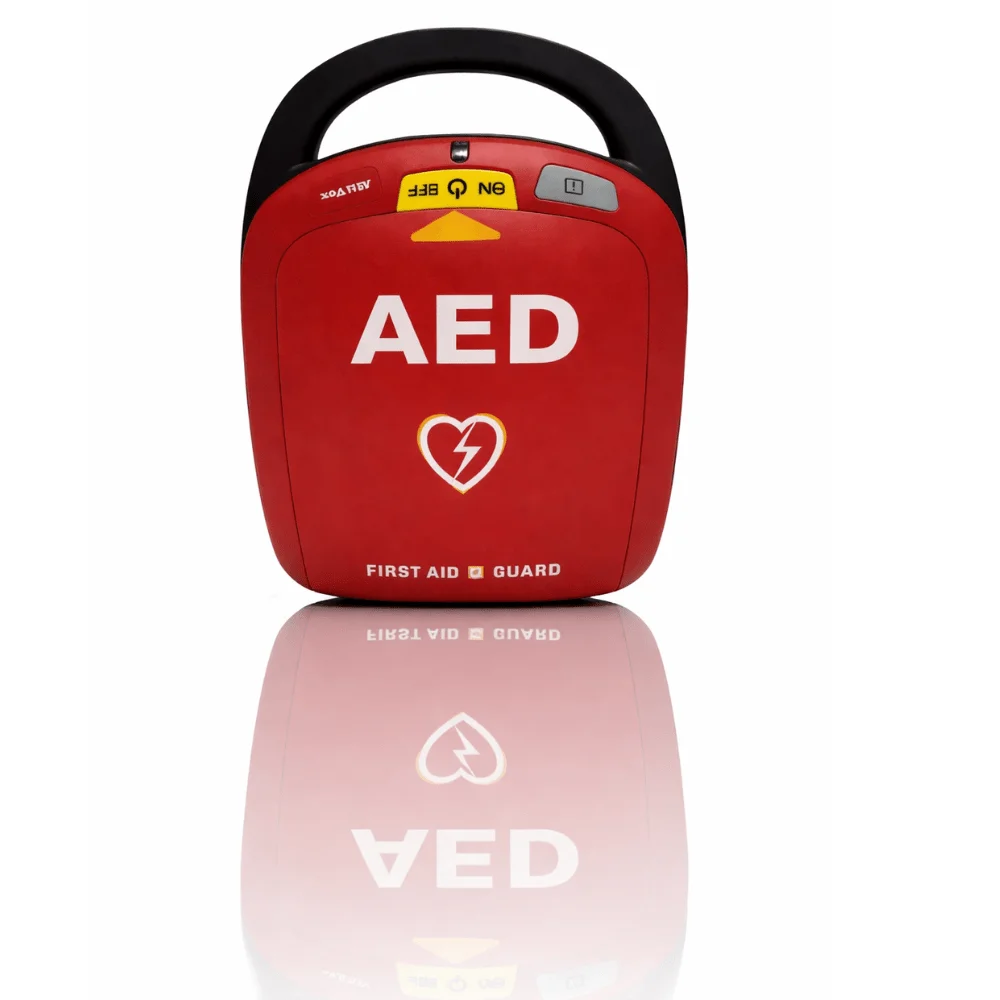
An automated external defibrillator reads a person’s heart rhythm through adhesive pads, decides on its own whether a shock is needed, and talks the responder through every step out loud. It’s built for people with no medical training — the device does the diagnostic work, not the operator. That’s a meaningful distinction from the manual defibrillators used inside hospitals, which require a trained clinician to interpret the rhythm and decide when to shock.
A properly specced AED device Dubai buyers choose for a public or workplace setting should analyse a heart rhythm in well under 10 seconds and be ready to deliver a shock almost immediately after — delay at this stage is the one thing you can’t get back once a cardiac arrest happens.
Specs That Actually Matter When Comparing Devices
Not every spec sheet number is equally important. Here’s what to actually check:
| What to Check | Why It Matters |
| ECG analysis time | Faster analysis means less time between pad placement and the first shock decision |
| Charging time | The gap between “shock advised” and the device being ready to deliver it |
| Shock output (child vs. adult) | Confirms the device auto-adjusts energy delivery based on the patient, not a single fixed setting |
| Battery life (standby) | A device that’s been sitting in a cabinet for two years needs to still work instantly |
| Electrode pad shelf life | Pads degrade even unused — check replacement intervals, not just the unit’s warranty |
| Data storage & transfer | Useful for post-incident review and compliance documentation in clinical settings |
What a Well-Specced Unit Looks Like
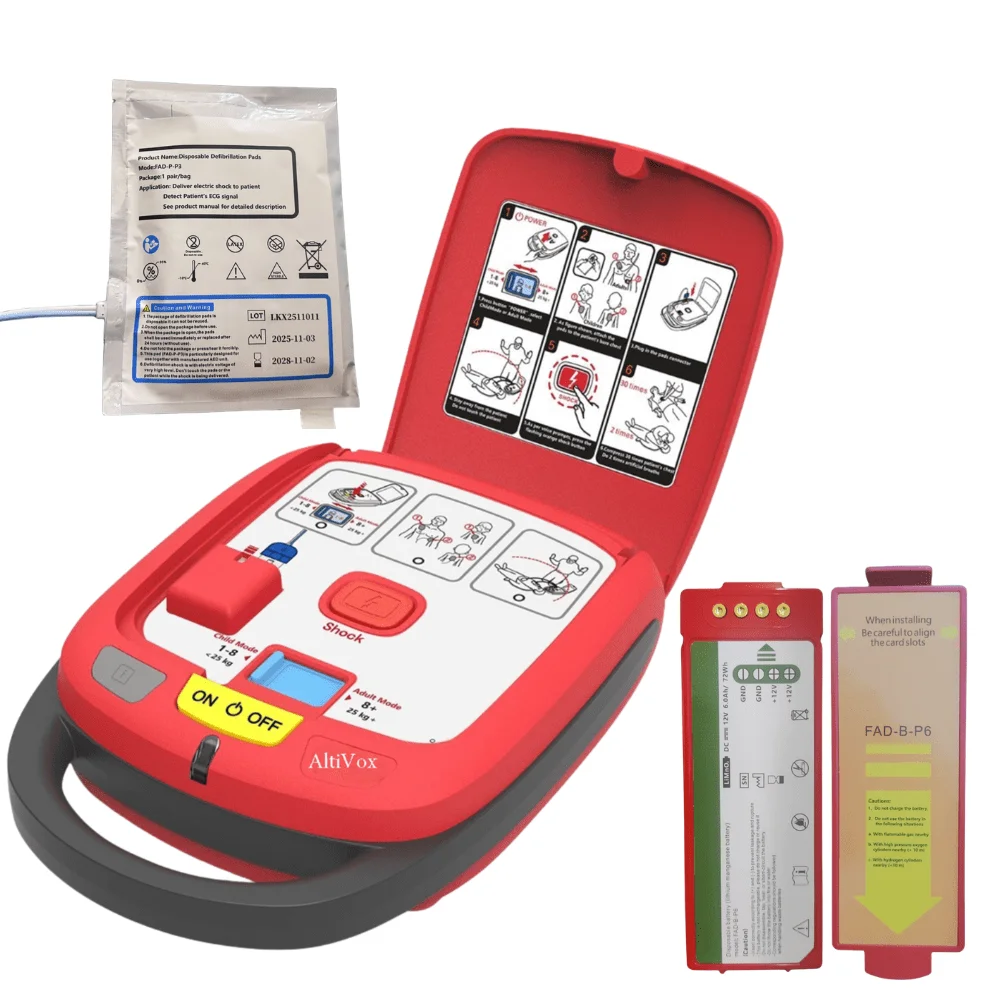
As a working example, our own ALTAI DP1 unit — one of the more requested options among the portable AED machine Dubai businesses stock for offices and clinics — analyses heart rhythm in 8.5 seconds and reaches full charge in 8 seconds, with shock output auto-adjusted between 50J for a child and 150J for an adult. The battery is rated for up to four years on standby, and the electrode pads carry a three-year shelf life, which matters more than people expect — a defibrillator sitting untouched in a cabinet for years still needs to fire correctly the one time it’s actually needed. It also stores up to 90 minutes of ECG data and audio for post-incident review, with Bluetooth transfer for compliance reporting. At 2.3 kg, it’s genuinely portable rather than “portable” in name only.
Where These Devices Typically Get Installed
A cardiac defibrillator Dubai business decides to install usually ends up in one of a few predictable locations: reception areas of clinics and gyms, staff break rooms in larger offices, front desks in schools, or mounted near entrances in malls and airports where foot traffic is highest. Placement matters almost as much as the device itself — an AED locked in a back-office drawer is far less useful than one mounted somewhere any staff member can reach within a minute of an emergency.
Standard vs. Optional Configuration
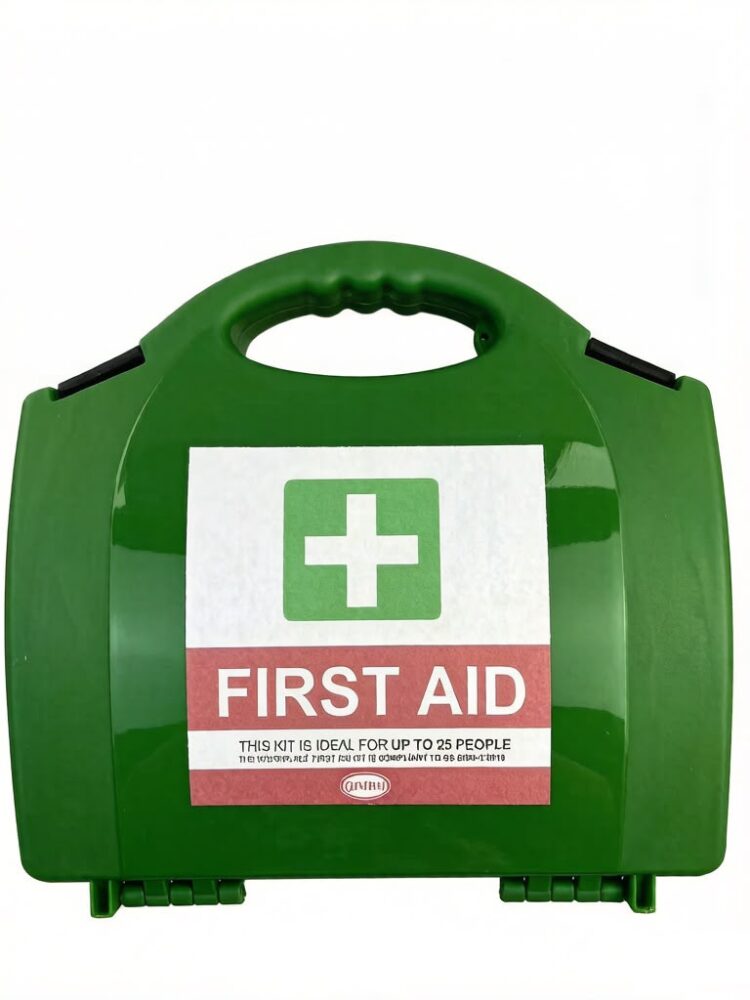
A base AED unit typically ships with the main device, a battery pack, a set of electrode pads, and a carry case — enough to get started, but not necessarily enough for a workplace rollout. Depending on the setting, it’s worth asking about additional items: a wall-mount or standing cabinet for visible, accessible placement, an AED trainer unit for staff practice sessions, a companion first aid kit, and PC software for reviewing stored incident data. None of these are required to use the device, but they change how ready a workplace actually is to use it correctly under pressure.
Who Actually Needs One
The honest answer is broader than most people assume. Beyond hospitals and ambulances, AEDs are increasingly standard in offices, schools and sports facilities, malls, and airports — anywhere a large number of people pass through regularly. If your facility already runs fire drills or keeps a first aid kit stocked, an AED belongs in the same category of preparedness, not as an optional extra.
Finding the Best AED Machine Supplier
When comparing options for the best AED machine supplier Dubai has to offer, a few things are worth confirming beyond price: whether the pads and batteries are readily available for replacement locally (rather than needing to be imported each time), what warranty coverage applies, and whether the supplier can walk you through placement and staff training, not just deliver a box. At Altivox Health Store, we supply the ALTAI DP1 with a 2-year warranty and stock the replacement pads and batteries needed to keep a unit ready for years of standby use, not just the first purchase.
A Note on Training
Owning an AED isn’t a substitute for knowing what to do in an emergency. The device is designed to be usable by an untrained bystander, but pairing it with basic CPR and first-aid training for staff dramatically improves outcomes, since CPR keeps blood circulating while the AED is being retrieved and set up. If you’re outfitting a workplace, it’s worth budgeting for a short staff training session alongside the equipment purchase itself.
Common Questions Buyers Ask Before Purchasing
A few concerns come up repeatedly from businesses shopping for a defibrillator machine UAE facilities can rely on long-term, beyond just the initial purchase price:
- “What happens after the warranty ends?” Check whether the supplier stocks replacement pads and batteries locally, since importing them individually later can cost more than the original unit’s price difference between suppliers.
- “Do we need one unit per floor?” For multi-storey buildings, response time matters more than having a single centralised unit — a device that takes three minutes to reach because it’s on the wrong floor defeats the purpose of having one at all.
- “Is a cheaper unit really a worse buy?” Not necessarily, but it’s worth checking whether a lower price reflects a genuinely different device or simply skips things like a carry case, cabinet, or local pad availability.
- “Who’s responsible for maintenance?” Someone on-site should be assigned to check the unit’s status indicator periodically — most AEDs display a simple ready/not-ready signal, but only if someone’s actually checking it.
Getting clear answers to these questions upfront tends to matter more for long-term reliability than the sticker price alone, especially for a device that might sit untouched for years before it’s needed.
Choosing Between Suppliers
Price comparisons across a cardiac defibrillator Dubai shortlist can be misleading if they only compare the unit cost. A supplier offering a slightly higher upfront price but faster local parts replacement, hands-on placement guidance, and a real warranty process is usually the better long-term choice over one offering the lowest number on a spec sheet alone. It’s a device you’re buying for a scenario you hope never happens — reliability when that moment does come matters more than shaving a few hundred dirhams off the initial order.
Get in Touch for Bulk or Facility Orders →
Get in Touch
Altivox Health Store
📍 Deira, Dubai
We also supply a wider range of emergency and biomedical equipment for clinics, gyms, and workplaces — take a look at our full biomedical equipment range if you’re outfitting a facility beyond just an AED.
Frequently Asked Questions
How much does a defibrillator machine cost in the UAE? Pricing varies by model and configuration, but a standard portable AED unit with a carry case, battery, and pads typically falls in the low thousands of AED. Our ALTAI DP1 unit, for example, is currently listed at 2,300 AED, down from its original 3,200 AED price.
Do I need medical training to use an AED? No — AEDs are specifically designed for use by untrained bystanders. The device analyses the heart rhythm automatically and gives step-by-step voice instructions, only advising a shock when its analysis determines one is actually needed.
How often do the batteries and pads need replacing? On a well-specced unit, the battery is typically rated for around four years on standby, while electrode pads usually need replacing every three years even if unused, since the adhesive gel degrades over time regardless of use.
Can one AED unit be used on both adults and children? Yes, provided the unit auto-adjusts shock output — typically around 50 joules for a child and 150 joules for an adult — rather than delivering a single fixed energy level regardless of patient size.
Where should an AED be placed in a workplace or public building? Ideally somewhere visible and reachable within about a minute from any point in the building — reception areas, near entrances, or a wall-mounted cabinet in a central corridor, rather than a locked office or storage room.
Is buying an AED enough, or do I need additional equipment? The base unit covers the essentials, but many workplaces also add a wall-mount or standing cabinet for visibility, an AED trainer for staff practice, and a first aid kit alongside it — worth discussing with your supplier based on your specific facility layout.