Choosing a Medical Equipment Supplier in the UAE: What Actually Matters
Buying medical supplies for a clinic, a home care setup, or a facility isn’t like ordering office furniture. The stakes are different, a poorly made blood pressure cuff gives inaccurate readings, a badly built patient monitor delays a critical response, and a cheap oxygen concentrator that fails at the wrong moment isn’t a minor inconvenience. Knowing what actually separates a reliable supplier from one just moving boxes is worth understanding before you place an order, not after something goes wrong.
Medical Supplies vs. Medical Equipment: A Distinction Worth Knowing
These terms get used interchangeably, but they actually describe different categories, and knowing the difference helps when you’re searching or comparing suppliers. Medical supplies typically refers to consumables, items used once or replaced regularly, gloves, dressings, incontinence products, electrode pads, syringes. Medical equipment refers to the durable devices themselves, patient monitors, oxygen concentrators, defibrillators, physiotherapy machines, items expected to last years with proper maintenance, not weeks. A genuinely comprehensive medical equipment supplier stocks both categories, since a facility running biomedical devices also needs a steady, reliable source for the consumables those devices depend on.
What a Reputable Medical Equipment Supplier Should Actually Offer
Beyond simply having products in stock, a few things separate a supplier worth building an ongoing relationship with from one you’d only use for a single order:
- Range across clinical categories — physiotherapy and rehabilitation equipment, biomedical diagnostic and monitoring devices, emergency equipment, hospital furniture, and home care supplies, rather than a narrow catalogue that forces you to source different categories from different vendors.
- Product documentation — clear specifications, not vague marketing descriptions, so a buyer can actually compare devices on the metrics that matter clinically.
- Delivery reliability — particularly important for facilities that can’t afford equipment downtime while waiting on a delayed shipment.
- Post-purchase support — someone to actually contact if a device needs troubleshooting or a consumable needs reordering, not a one-time transaction with no follow-up.
Categories Worth Understanding Before You Buy
The breadth of what falls under medical equipment surprises a lot of first-time buyers. A properly stocked supplier typically covers:
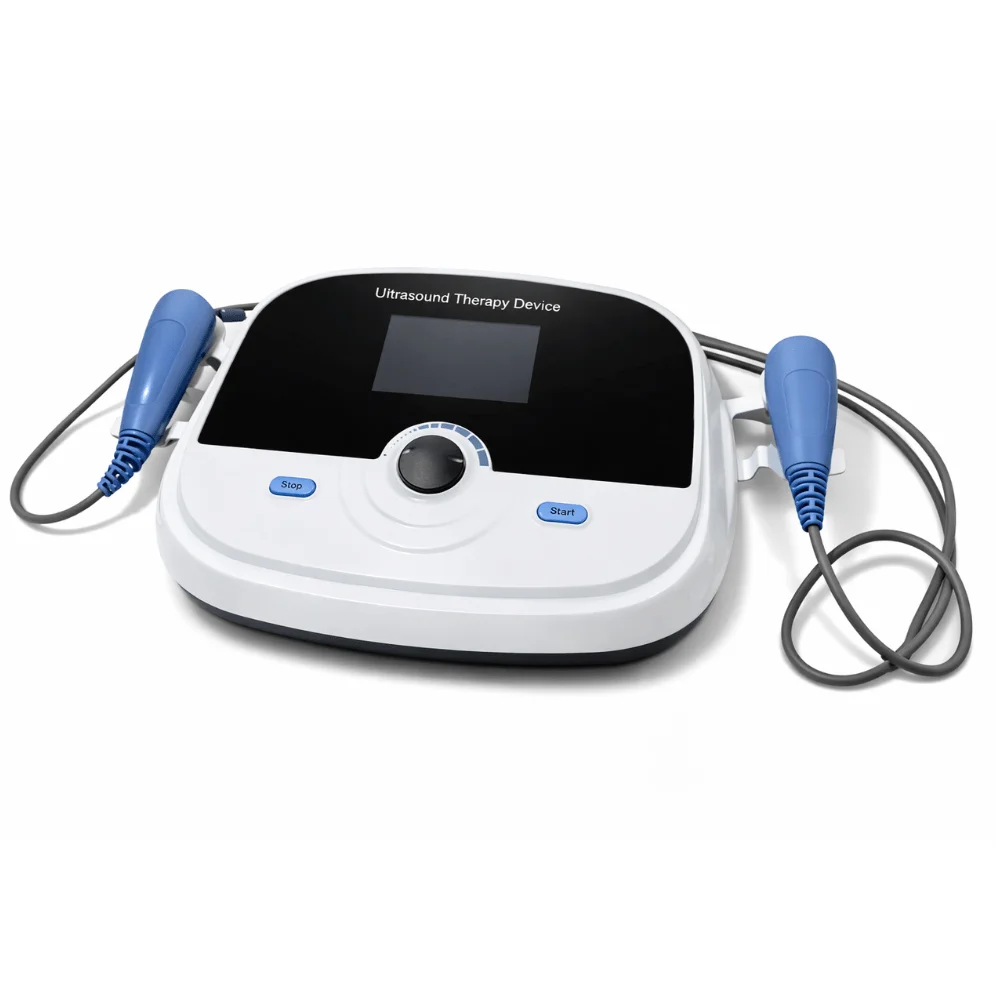
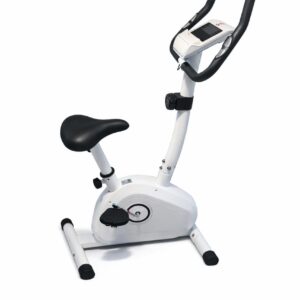
Physiotherapy and rehabilitation equipment — electrotherapy devices (TENS, EMS, interferential current), ultrasound and shockwave therapy machines, traction tables, and mobility aids like crutches and walking frames, used across clinics and home recovery settings alike.
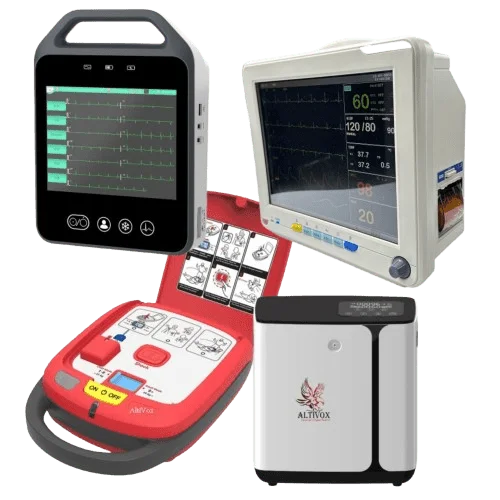
Biomedical and diagnostic equipment — patient monitors tracking vital signs like ECG, SpO2, and blood pressure, used in ICUs, operating theatres, emergency departments, and during patient transport where continuous, accurate monitoring genuinely affects clinical decisions.
Emergency equipment — automated external defibrillators (AEDs) designed for rapid response during sudden cardiac arrest, built for use by trained professionals and, increasingly, by untrained bystanders in public-access settings.
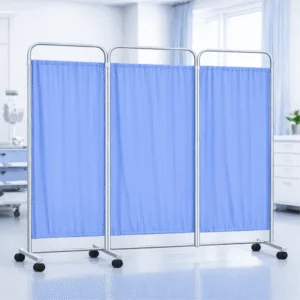
Hospital furniture — treatment tables, ward screens for patient privacy, and other fixtures that support day-to-day clinical operations rather than direct diagnosis or treatment.
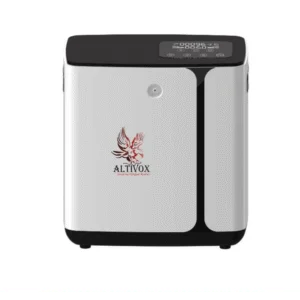
Home care and consumables — oxygen concentrators, incontinence management products, and other items supporting patients managing conditions outside a hospital setting.
See Our Full Equipment Categories →
Why Evidence-Based Claims Matter More Than Marketing Language
This is worth being direct about: not every “clinically proven” claim attached to medical equipment actually holds up to scrutiny, and a supplier worth trusting is one that’s honest about what a device can and can’t do, rather than overselling results. Take ultrasound therapy as an example, a genuinely useful modality for supporting soft tissue healing and reducing localized inflammation through mechanical vibration and mild heat, but its effectiveness still depends on correct application, patient-specific factors, and realistic expectations, not a guaranteed fix regardless of condition. A supplier or clinic that acknowledges this nuance, rather than promising uniform results for everyone, is generally more trustworthy than one that doesn’t.
What to Actually Check Before Choosing a Supplier
A few direct questions separate a properly run medical equipment business from one cutting corners on quality or compliance:
- Is the product range genuinely broad, or does the supplier specialise narrowly while presenting itself as a full-service option?
- Are specifications provided in detail, or does the listing rely on vague adjectives without measurable data?
- What does delivery actually look like, particularly for time-sensitive equipment like AEDs or patient monitors needed for an active facility?
- Is there support available after purchase, for troubleshooting, replacement parts, or reordering consumables?
Maintenance and Compliance: The Part That Gets Overlooked
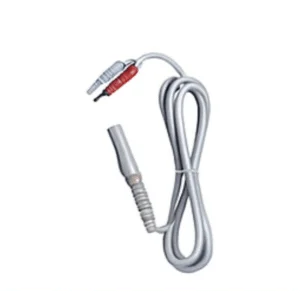
Buying the right equipment is only half the picture. Devices used in clinical settings often need periodic calibration, servicing, and replacement of wearable components to stay accurate and safe, an ECG lead set or a blood pressure cuff bladder degrades with repeated use just like any other consumable part. Facilities should factor ongoing maintenance costs and timelines into their purchasing decision from the start, rather than treating it as an afterthought once a device is already installed and in use. Asking a supplier directly whether they support servicing, or can at least point toward appropriate maintenance resources, is a reasonable question before committing to a larger purchase.
Medical Equipment Suppliers in UAE: Why Location and Logistics Matter
For facilities and individuals searching for medical equipment suppliers in UAE, proximity genuinely affects practical outcomes, not just delivery speed. A supplier based locally can typically resolve a warranty issue, arrange a replacement part, or process an urgent reorder faster than one shipping internationally for every transaction. This matters considerably more for equipment tied to ongoing patient care, an oxygen concentrator or patient monitor with a delayed part replacement isn’t just an inconvenience, it can directly affect care continuity.
Why Choose Altivox Health Store
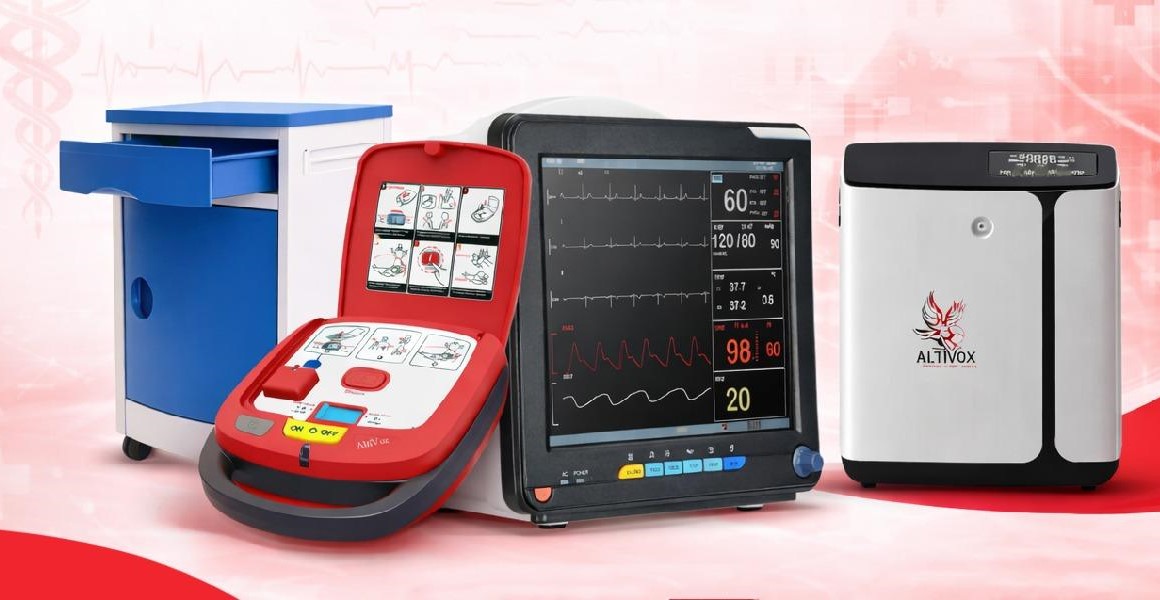
Altivox Health Store operates from Dubai, supplying physiotherapy, rehabilitation, biomedical, emergency, and home care equipment to clients across the Gulf, Africa, Europe, and Asia. The range spans from patient monitors and AEDs through to oxygen concentrators, crutches, and ward privacy screens, covering the full spectrum a clinic, hospital, or home care setup is likely to need rather than a narrow specialty. Free delivery is available across Dubai on qualifying orders, and the team supports both individual buyers managing home care needs and clinics sourcing equipment at scale.
Get in Touch
Altivox Health Store
📍 Deira, Dubai
📞 +971 56 462 3659
📧 info@altivoxhealthstore.com
🚚 Free Delivery in Dubai
Frequently Asked Questions
1. What’s the difference between medical supplies and medical equipment when I’m placing an order?
Medical supplies are typically consumables used once or replaced regularly, like electrode pads or incontinence products, while medical equipment refers to durable devices meant to last years, like patient monitors or oxygen concentrators. Most facilities need a reliable source for both, ideally from the same supplier to simplify reordering.
2. How do I know if a medical equipment supplier is actually reliable before placing a large order?
Check whether product specifications are detailed and clearly listed, ask directly about delivery timelines for your specific location, and confirm what post-purchase support is available, particularly for equipment that might need servicing or replacement parts down the line.
3. Can individuals buy medical equipment for home care use, or is it only available to clinics?
Yes, home care equipment, including items like oxygen concentrators and mobility aids, is available to individual buyers, not just clinical facilities, since a growing number of patients manage chronic conditions or recovery at home rather than in a hospital setting.
4. Does Altivox Health Store deliver outside of Dubai?
The company serves clients across the Gulf, Africa, Europe, and Asia, though delivery specifics, including free delivery eligibility, are confirmed based on the specific order and destination. It’s worth contacting the team directly to confirm delivery details for your location.
5. Is it safe to buy diagnostic or monitoring equipment like patient monitors without professional guidance?
For clinical use in a hospital or clinic setting, equipment selection should always involve input from qualified healthcare staff who understand the specific clinical requirements. For general wellness or home monitoring devices, it’s still worth confirming a device’s intended use matches your actual need before purchasing.
6. What should I do if a piece of equipment needs servicing or a replacement part after purchase?
Contact the supplier directly with your order details and a description of the issue. A properly run supplier should be able to advise on next steps, whether that’s a replacement part, a repair, or guidance on troubleshooting the specific device.