AED Supplies and Accessories: The Parts That Actually Keep a Defibrillator Ready
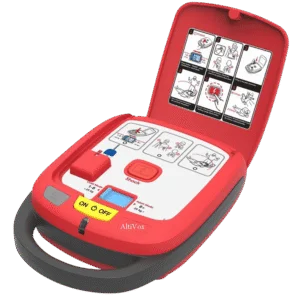
An automated external defibrillator sitting in a cabinet for two years is only as useful as its weakest component on the day someone actually needs it. Most people buying an AED focus entirely on the main unit and completely overlook the AED supplies and accessories that determine whether that unit actually works when the moment comes — expired pads, a dead battery, or missing mounting hardware can turn a life-saving device into an expensive paperweight at exactly the wrong time.
Why Accessories Matter as Much as the Device Itself
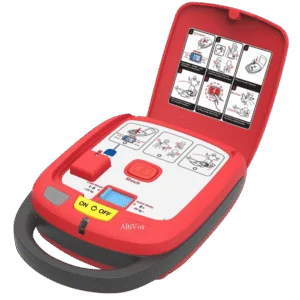
An automated external defibrillator works by analysing a patient’s heart rhythm through adhesive electrode pads, then delivering a shock if the analysis determines one is needed. That entire process depends on components that degrade over time even when the device is never used. Pads lose adhesive effectiveness. Batteries lose charge capacity. A unit that passed every check when purchased can fail the one time it’s actually needed if these components weren’t tracked and replaced on schedule.
This is exactly why treating an AED purchase as a one-time transaction, rather than an ongoing equipment relationship, is one of the more common mistakes businesses and organisations make when setting up emergency preparedness.
The Core AED Supplies Every Owner Needs to Track
A handful of consumable and semi-permanent components need regular attention:
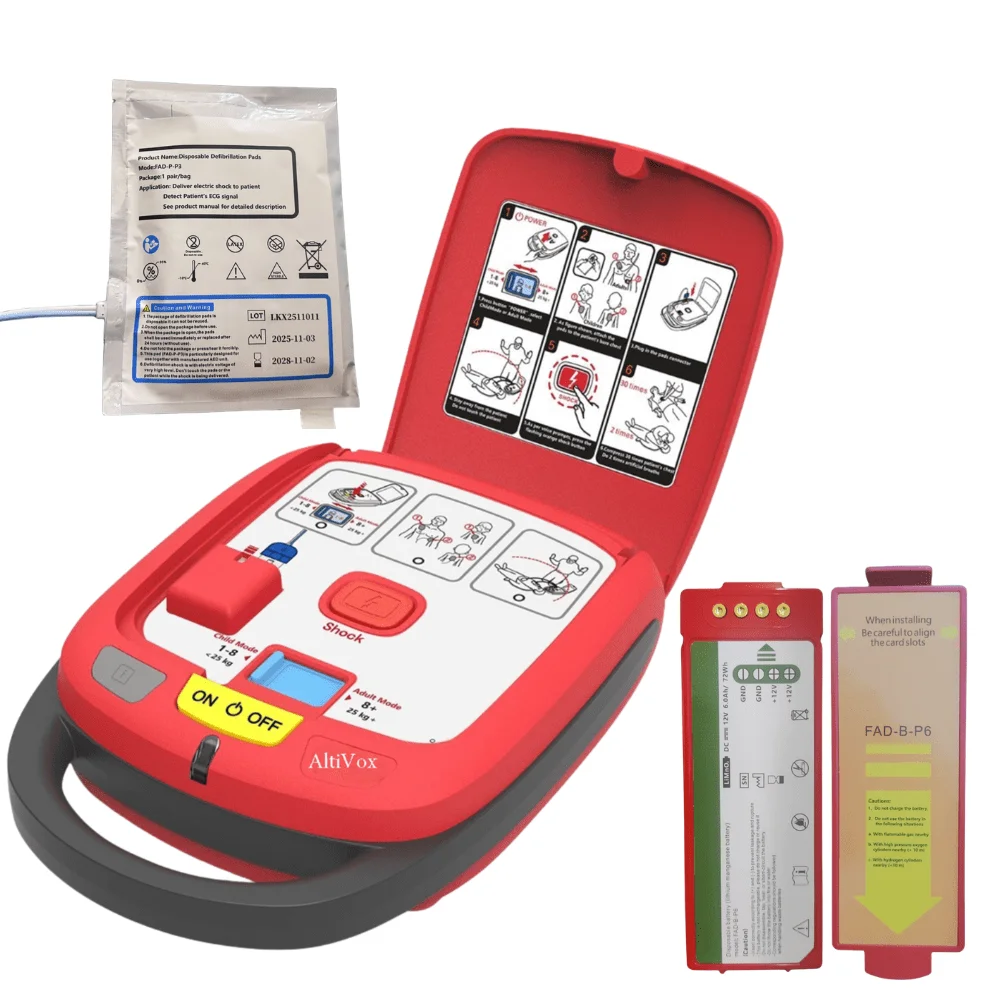
- Electrode pads — the adhesive pads that connect the device to the patient, with a typical shelf life of around three years even if never used, since the conductive gel degrades over time regardless of storage conditions.
- Batteries — most AED batteries are rated for standby periods of up to four years, but that rating assumes proper storage and periodic device self-checks, not indefinite shelf life regardless of conditions.
- Carry cases — protect the unit during transport and storage, and a damaged or missing case increases the risk of the device being knocked or exposed to dust and moisture between uses.
- Cleaning and maintenance supplies — wipes and basic maintenance kits keep the unit’s exterior and contact points functional, particularly for devices stored in dusty or high-traffic environments.
AED Defibrillators: Matching Supplies to the Specific Model
Not every accessory is universal, which trips up a surprising number of buyers. AED defibrillators from different manufacturers often use proprietary pad connectors and battery formats, meaning a generic pad or battery purchased from an unrelated supplier may simply not fit or function correctly with your specific unit. Always confirm the exact model of your AED before ordering replacement supplies, since a mismatched component isn’t just inconvenient, it can mean the device isn’t actually ready during an emergency.
Check Compatible Supplies for Your Unit →
Building Out a Complete AED Setup
Beyond the core consumables, a properly equipped AED setup for a workplace or public space typically includes:
| Accessory | Purpose |
| Wall-mount or standing cabinet | Visible, accessible placement rather than a locked drawer or office |
| AED trainer unit | Staff practice sessions without using or risking the real device |
| First aid kit | Complementary care alongside defibrillation and CPR |
| PC software | Reviewing stored incident data after an emergency event |
| Replacement pads and batteries | Ongoing readiness beyond the initial purchase |
None of these are strictly required to operate an AED, but together they change how genuinely ready a workplace is to use one correctly under pressure, rather than fumbling with an unfamiliar device during an actual emergency.
How Often Should Supplies Actually Be Checked
Most AEDs include a visual status indicator, typically a simple light or symbol showing whether the device is ready or needs attention, but this only helps if someone is actually assigned to check it. A reasonable practice is a monthly visual inspection confirming the status indicator reads normal, alongside noting expiry dates for pads and batteries so replacements can be ordered well before they actually expire, not after a failed check reveals the unit isn’t ready. Waiting until an indicator flags a problem before ordering replacement supplies risks a gap in coverage while the new components are sourced and delivered.
Common Mistakes With AED Supply Management
A few recurring issues show up across workplaces and public facilities that own an AED:
- No one assigned to check the unit. A device is only as ready as the person responsible for maintaining it, and without a named individual, checks tend to simply not happen.
- Assuming unused pads don’t expire. Pads degrade whether used or not, since the adhesive gel breaks down chemically over time regardless of whether the device has ever been deployed.
- Ordering the wrong replacement components. Mismatched pads or batteries that don’t fit the specific unit waste money and, worse, leave the device non-functional until the correct parts arrive.
- No spare set kept on hand. Relying on same-day ordering when a component expires leaves a genuine gap in readiness during the delivery window.
What This Looks Like for a Well-Managed Workplace AED Program
Organisations that get this right tend to build supply checks into an existing routine, like a monthly fire safety walk-through, rather than treating AED maintenance as a separate task easily forgotten. Keeping a simple log of pad and battery expiry dates, along with the date of the last visual status check, makes it straightforward to plan replacement orders well ahead of time rather than reacting to a failed status indicator.
Why Businesses Choose Altivox Health Store for AED Supplies
Altivox Health Store stocks AED units alongside the replacement pads, batteries, and accessories needed to keep them genuinely ready for years of standby use, not just the initial purchase. Beyond the core consumables, we supply wall-mount and standing cabinets, AED trainer units for staff practice, and first aid kits to round out a complete emergency preparedness setup. Free delivery is available across Dubai, which matters for businesses needing to restock supplies without the delay of arranging separate shipping for each order.
A well-stocked supply chain also matters for compliance reasons in workplace settings, since some insurance policies and workplace safety audits specifically check whether an on-site AED is properly maintained with current, unexpired components, not just present in the building.
Order AED Supplies & Accessories →
Get in Touch
Altivox Health Store
Address 📍 Deira, Dubai
Call 📞 +971 56 462 3659
Mail 📧 info@altivoxhealthstore.com
🚚 Free Delivery in Dubai
Frequently Asked Questions
How often do AED pads actually need replacing if the device is never used?
Most electrode pads carry a shelf life of around three years from manufacture, regardless of use, since the conductive adhesive gel degrades chemically over time. Check the expiry date printed on the pad packaging rather than assuming an unused pad remains effective indefinitely.
Can I use generic or third-party pads and batteries with any AED brand?
Not reliably. Most AED manufacturers use proprietary connector designs, so pads and batteries need to match your specific device model. Always confirm compatibility before ordering replacement supplies to avoid a component that simply won’t connect or function.
What does an AED’s status indicator actually tell me?
Most units display a simple ready or not-ready signal, typically a light or icon, reflecting battery charge and general device readiness. This only protects you if someone actually checks it regularly, since the indicator itself doesn’t send an alert or notification.
Do AED batteries need to be replaced even if the device has never been used in an emergency?
Yes. Batteries are rated for a maximum standby period, commonly around four years, after which capacity can no longer be guaranteed even if the unit was never deployed. Replacing on schedule rather than waiting for a failure is the safer approach.
Should every AED come with a wall-mount cabinet, or is a carry case sufficient?
It depends on the setting. A carry case works well for a portable unit that moves between locations or events, while a fixed wall-mount or standing cabinet suits a permanent installation in a workplace or public space, keeping the device visible and immediately accessible.
How do I know which replacement pads and batteries fit my specific AED model?
Check the model number on your device or its original packaging, and confirm compatibility directly with your supplier before ordering. Providing the exact model when contacting Altivox Health Store ensures the correct components are sourced the first time.