A Straight-Talking Guide to Physiotherapy Equipment in the UAE
Walk into most physiotherapy clinics in Dubai and you’ll see roughly the same handful of machines doing most of the work — a TENS unit here, an ultrasound probe there, maybe a traction table tucked in the corner. What you won’t always get is a clear explanation of why one device gets reached for over another, or whether the evidence behind it actually holds up. That’s the gap this guide is trying to close for anyone comparing physiotherapy equipment UAE clinics use, or figuring out what’s actually worth buying for a smaller home rehab setup.
Browse Physiotherapy Equipment →
Electrotherapy Gets Talked About More Than It’s Understood
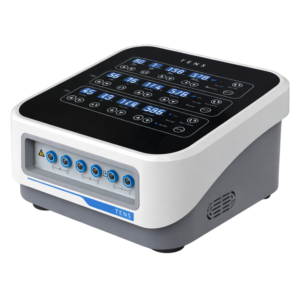
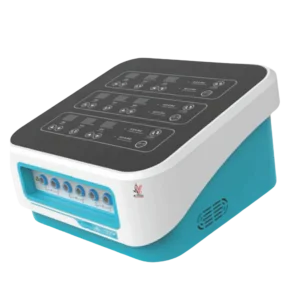
TENS machines are probably the single most recognisable piece of kit in this category, and also the most misunderstood. The device sends a low-voltage current through electrodes on the skin, which interferes with how pain signals travel to the brain — something rooted in gate control theory, plus a bit of help from the body’s own natural pain-relieving chemicals kicking in.
Here’s the part most sales pages skip over: the evidence for TENS is genuinely mixed. One large appraisal looking across 169 separate systematic reviews found a positive effect in 69 of them, no benefit at all in 13, and inconclusive results in the rest. A World Health Organization-backed review on TENS specifically for chronic low back pain came back with only a marginal improvement over placebo. None of that means TENS is useless — plenty of patients get real relief from it, and it’s about as low-risk as pain management gets. It just means nobody should be promising it as a cure, and if a supplier’s marketing sounds too confident about it, that’s worth being a little skeptical of.
EMS is a different animal entirely, even though it gets lumped in with TENS constantly. It targets motor nerves rather than sensory ones, which means it actually makes a muscle contract — useful after surgery or injury when a patient physically can’t fire a muscle on their own yet and needs help re-establishing that connection.
Ultrasound and Shockwave: Similar Name, Different Job
Therapeutic ultrasound runs at frequencies around 1 MHz and works through a combination of mild heat and mechanical vibration reaching into soft tissue. It’s the go-to for tendon strains, ligament injuries, and the kind of post-surgical stiffness that responds well to gentle warming before mobilisation work begins.
Shockwave therapy sounds similar but behaves quite differently in practice — it delivers much stronger acoustic pulses and has a reasonably solid evidence base specifically for chronic tendinopathies, the plantar fasciitis and tennis elbow cases that have already failed more conservative treatment. Because of the intensity involved, this one tends to stay in clinical hands rather than showing up in home rehab kits, and the equipment cost reflects that too.
See Ultrasound & Shockwave Devices →
Heat, Cold, and the Timing Mistake Almost Everyone Makes
Thermal therapy is unglamorous compared to the electrotherapy machines, but it’s still doing real work. Heat — whether from a hydrocollator, paraffin wax, or a bioceramic cushion — widens blood vessels and loosens tissue, which is exactly why it works well right before stretching. Cold does close to the opposite: it narrows blood flow and slows nerve conduction, which makes it the right call for a fresh injury with swelling, not a joint that’s been stiff for months.
The mistake I see repeated constantly, even by people who should know better, is reaching for heat on a swollen ankle two hours after a sprain because it “feels nicer,” when cold is what the tissue actually needs at that stage. Timing the modality to the injury phase matters as much as picking the right device in the first place.
Traction and Compression Solve Completely Different Problems
Traction tables apply steady mechanical pull along the spine to take pressure off discs and nerve roots — mostly used for cervical and lumbar cases, and always under supervision given how much force is involved. Air compression devices look vaguely similar in that they’re both “mechanical,” but they’re solving an entirely separate problem: sequential inflation around a limb to support circulation, reduce swelling, and lower DVT risk in patients who are post-surgical or largely immobile. It’s an easy pairing to confuse if you’re new to the category, but the clinical purpose doesn’t overlap at all.
Clinical-Grade and Home-Use Aren’t the Same Category Wearing Different Price Tags
This is probably the single most important distinction for anyone actually spending money here. A clinical-grade device is built to be adjusted precisely by a trained operator — wider power range, finer dosage control, more programmable modes. A home-use version is deliberately built with a narrower, safer range, because nobody’s standing over the patient adjusting settings session to session. Buying a high-output clinical shockwave or electrotherapy unit for unsupervised home use isn’t just overkill financially — it can genuinely be unsafe without the training to dose it correctly.
What Actually Matters When a Clinic Is Comparing Suppliers
If you’re sourcing professional physiotherapy equipment for a clinic rather than a single home device, price is rarely the whole story. A few things worth asking before signing off on an order:
Can the device actually be fine-tuned per patient, or is it stuck on a handful of presets dressed up as customisation? Was it built to survive being used dozens of times a day, five or six days a week, rather than occasionally? If it breaks in year two, is there someone local who can actually fix it, or does it become an expensive paperweight while parts ship from overseas? And does the supplier provide proper documentation, since clinics often need equipment specs on file for licensing and insurance purposes anyway.
Request a Quote for Clinic Equipment →
Local Sourcing Beats Importing More Often Than People Expect
There’s a temptation to shop overseas directly for the bigger clinical devices, assuming it’ll be cheaper. It sometimes is, on the sticker price. What that number usually doesn’t include is import duty, the real risk of shipping damage on delicate equipment, and the complete absence of local warranty support once something needs servicing. Getting physiotherapy equipment Dubai clinics can actually get repaired nearby, rather than shipped back to another country, tends to matter a lot more over a device’s five-year lifespan than it does on day one.
Why We Get Asked About This So Often
At Altivox Health Store, we stock equipment across the categories covered here — electrotherapy, ultrasound and shockwave, thermal therapy, traction, and compression — for hospitals, clinics, and home users across the country. Being a physiotherapy equipment supplier Dubai businesses actually return to isn’t about having the biggest catalogue; it’s answering the same practical questions above honestly, including the ones where the answer is “this device isn’t right for what you’re describing.” Free delivery is available across Dubai on qualifying orders.
Get in Touch
Altivox Health Store
Call 📞 +971 56 462 3659
Mail 📧 info@altivoxhealthstore.com
🚚 Free Delivery in Dubai
Shop Physiotherapy Equipment Today →
Frequently Asked Questions
1. Is TENS actually backed by solid research, or is that overstated?
It’s genuinely mixed. Large reviews of the research show TENS helps some patients and does little for others, and the effect size in higher-quality studies tends to be modest rather than dramatic. It’s a reasonably safe option worth trying as part of a broader plan — just not something to expect a dramatic result from on its own.
2. Can I use a clinical-grade device at home if I just turn the intensity down?
Not recommended. Clinical devices are built assuming a trained operator is adjusting settings and monitoring the patient, and the wider power range that makes them useful in a clinic is exactly what makes them riskier without that supervision. A home-use device with a properly limited range is the safer route.
3. Why does shockwave therapy cost so much more than ultrasound?
The equipment itself is more complex, generating far higher-intensity pulses, and the clinical training required to apply it correctly and safely adds to the cost. It’s also generally reserved for stubborn, chronic conditions rather than routine use, so the higher price reflects a narrower, more specialised application.
4. Does UAE health insurance cover physiotherapy equipment purchases?
It varies a lot by provider, and coverage tends to apply more readily to physiotherapist-administered sessions than to equipment bought for home use. Worth checking directly with your insurer rather than assuming either way.
5. How soon should I expect to notice a difference after starting a new modality?
Depends heavily on the condition and the modality. Some people notice a shift in pain within a couple of sessions with something like TENS, while tissue-level changes from a shockwave course for chronic tendinopathy usually take several weeks of consistent treatment to show up.
6. What should a clinic prioritise when choosing between suppliers, beyond price?
Local warranty and repair support, easy access to replacement parts and accessories, proper compliance documentation, and realistic delivery timelines. A supplier who’s upfront about all four saves a clinic from finding out the hard way six months into ownership.